Reducing exposure to blue light from screens at least an hour before bedtime can significantly improve your sleep quality. Here’s how to effectively limit screen time:
Understand the Impact of Blue Light
-
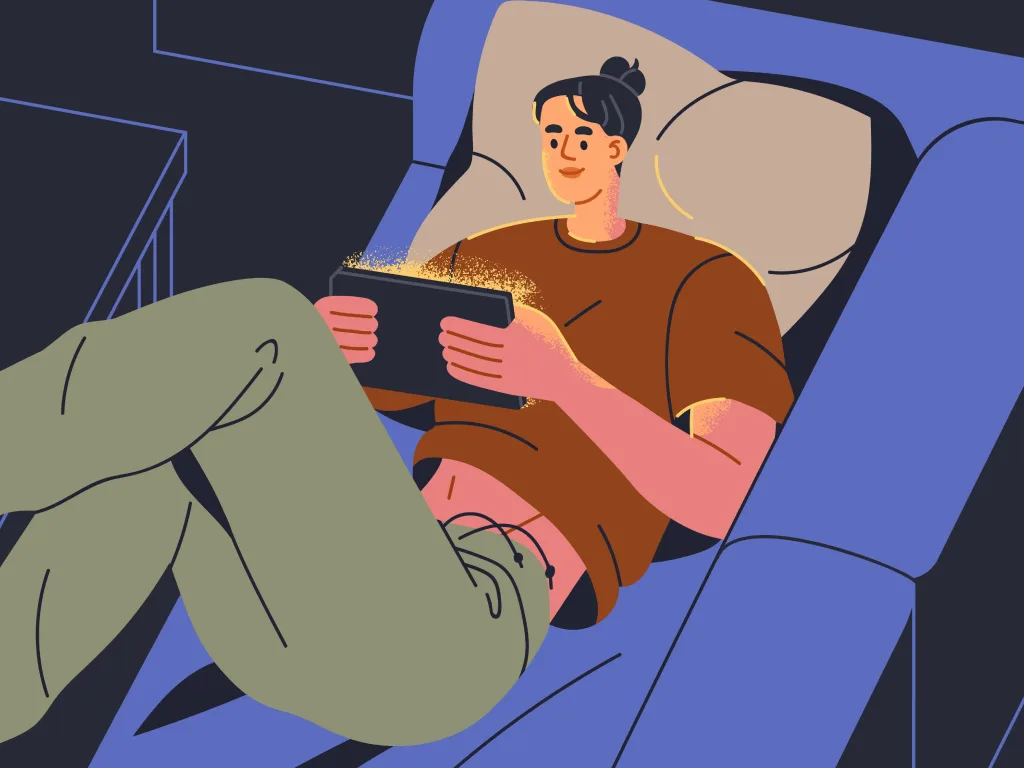
Blue light emitted by phones, tablets, and computers can suppress the production of melatonin, a hormone that regulates sleep cycles.
-
Exposure to blue light in the evening can trick your brain into thinking it's still daytime, making it harder to fall asleep.
Establish a Pre-Bedtime Routine
-
Set a Specific Time: Aim to stop using electronic devices at least
one hour before bedtime. -
Use Night Mode: Many devices have a
night modesetting that reduces blue light emission in the evening hours. -
Create a Relaxing Activity: Replace screen time with relaxing activities such as
reading a book,meditating, or taking awarm bath.
Make Use of Technology
-
Screen Time or Digital Wellbeing Tools: Use built-in tools on your devices to track and limit your screen time in the evening.
-
Blue Light Filters: Install apps that apply a filter to your screen, minimizing blue light exposure.
Prepare Your Sleep Environment
-
Keep electronic devices
out of the bedroomto reduce the temptation to use them. -
Consider using an
alarm clockinstead of your phone to reduce nighttime phone usage.
Be Consistent
Make limiting screen time a part of your daily routine to help reinforce your body's natural sleep-wake cycle.
By following these steps, you can minimize the impact of blue light on your sleep, leading to a more restful night and a healthier sleep pattern.