The sleep journal
Short, practical reads on sleep, stress and calmer evenings. Most take two minutes.

What exactly is white noise?
How a steady sound that covers every frequency masks the barking dog and the passing car, plus how pink and brown noise differ.
Read article
What are brainwave sounds?
Delta, theta, alpha and beta, in plain words. What brainwave tracks are, what the research does and does not say, and how to try them.

Rain, ocean, forest: choosing a nature sound for sleep
Rain, waves, a forest at night or a crackling fire. How to pick the nature sound that helps you relax, with samples to try.

Awake at 3 a.m.? What to do instead of watching the clock
Waking in the night is normal. Staying stuck there is the part you can change. Calm, practical steps for getting back to sleep.

Keep a steady wake time, even on weekends
Your bedtime gets the attention, but your wake time sets the rhythm. Why getting up at the same time helps, and how to stick to it.

Box breathing for a racing mind
Four equal steps, a few quiet minutes. A simple breathing pattern to slow down when your thoughts will not.

Manage worries
Learn to set worries aside before bed so you can relax and prepare for a restful night.
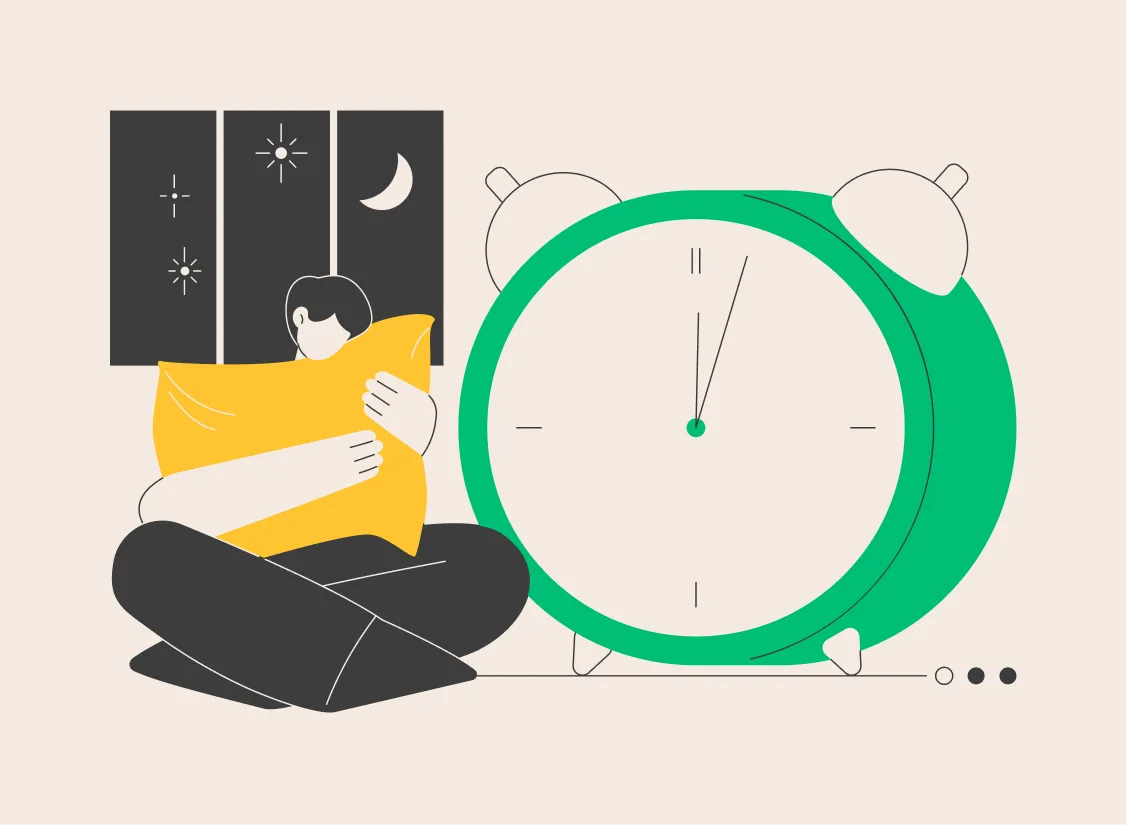
Limit naps
Long or late naps can steal from your night. Keep naps short so they help rather than hurt.

Technique: Meditate or deep breath
Two simple practices that calm your body and quiet your mind before bedtime.

Technique: Reading a book
A few pages before bed carries you away from the day's stress and eases you toward sleep.

Technique: Taking a warm bath
Warm water relaxes muscles and eases tension, and the cool-down after helps you drift off.

Regular physical activity
Moderate exercise deepens sleep, as long as you time it away from bedtime.

Embrace soothing music for restful nights
The right melodies relax your mind and body and guide you toward deeper, more refreshing sleep.

Mindful eating and drinking
Heavy meals, caffeine and alcohol close to bedtime disrupt sleep. Here's what to have instead.

Limit screen time before bed
Blue light holds back melatonin. Put screens away an hour before bed with these tips.
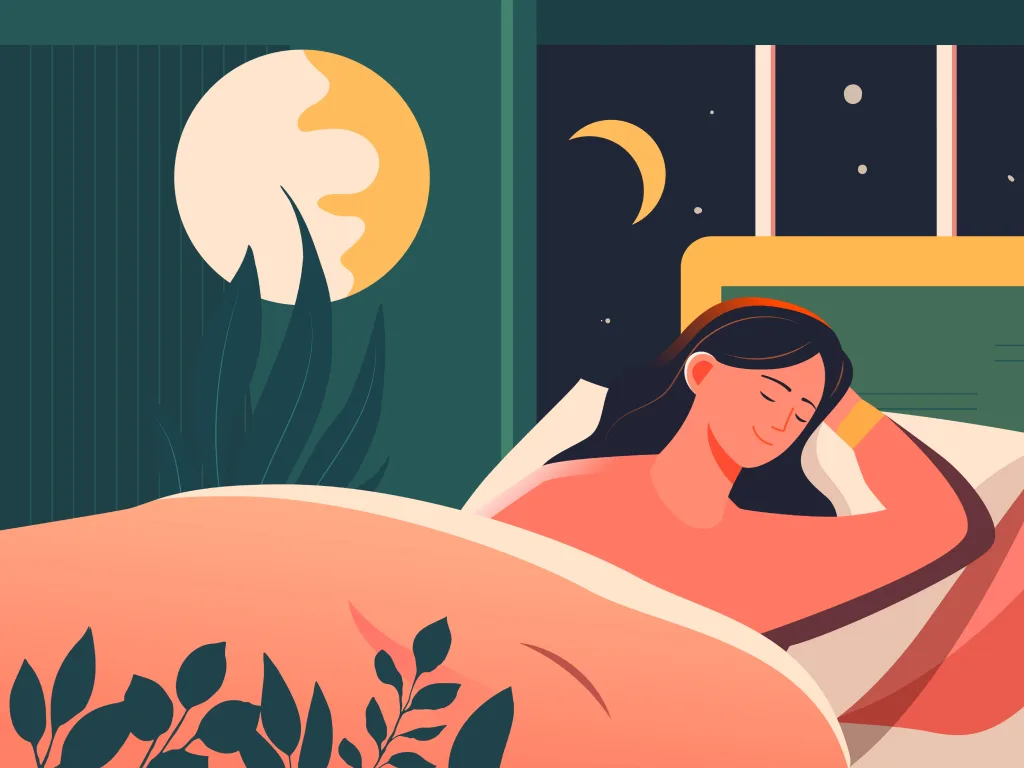
Create a sleep-inducing environment
Practical steps to make your bedroom darker, quieter and cooler, so it works for sleep.

Establish a routine
A steady sleep schedule keeps your body clock on time. Here's how to set one and stick to it.

Try it tonight
Rain, brown noise and box breathing, ready when you are.